Colorado Springs, CO
Craniosynostosis Helmets in Colorado Springs, CO
Post-surgical cranial remolding that guides head shape after an endoscopic or open craniosynostosis repair.
Craniosynostosis Helmets
What Craniosynostosis Helmets Involves
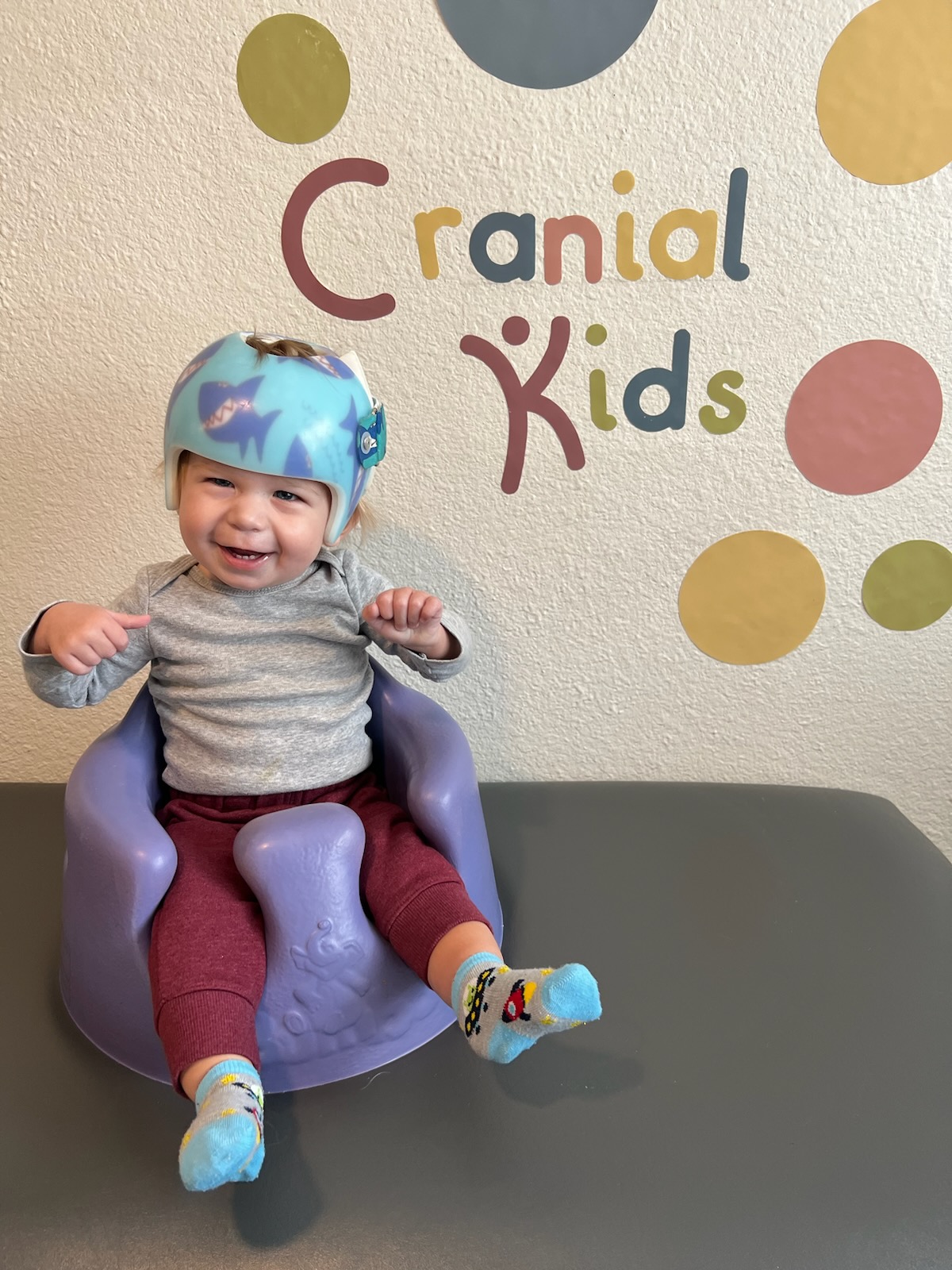
Craniosynostosis is the early fusion of one or more skull sutures, and it is treated surgically. After an endoscopic repair, a cranial remolding helmet is what guides the skull into shape during the months of growth that follow. We work from your surgeon's protocol and start as soon as they clear the incision.
Who Needs This
- Babies cleared by a neurosurgeon after endoscopic strip craniectomy
- Post-operative patients needing serial helmets as they grow
- Families traveling home to Colorado after surgery elsewhere
- Babies needing frequent remolds during rapid growth
- Parents wanting a local provider who coordinates with their surgical team
- Second opinions on an existing post-op helmet fit
How Treatment Works
- 01
Coordinate with your surgical team
We contact your neurosurgeon for the post-op protocol and timing before you ever come in.
- 02
Post-op scan
Once the incision is cleared, we scan the head shape — quick, contact-light, and radiation-free.
- 03
First helmet
The first post-op helmet is fitted carefully around the incision line, with skin checks at every step.
- 04
Close monitoring
Post-op babies grow fast. We see you frequently and adjust often to keep correction on track.
- 05
Serial helmets
Most post-op courses need more than one helmet. We rescan and refabricate as your baby outgrows each one.
- 06
Handoff back to your surgeon
We share measurements and progress with your surgical team throughout and at discharge from helmet therapy.
What Affects Your Cost
- Whether your insurance plan covers cranial remolding orthoses (code S1040)
- Your remaining deductible and coinsurance for the plan year
- Whether a second helmet is needed for a longer course of treatment
- Medicaid, TRICARE, and commercial plans each handle prior authorization differently
- How early treatment starts — earlier correction usually means a shorter course
- Whether visits happen at our office or we travel to you
Why Families Choose Cranial Kids
- Free consultations, with an honest answer about whether a helmet is even needed
- One of our three certified orthotists handles the scan, the fitting, and every adjustment
- Radiation-free STARscanner and SmartSoc imaging — no X-rays, no sedation, no plaster
- In-home and on-site visits across Southern Colorado and the Front Range
- We coordinate directly with your pediatrician, neurosurgeon, and physical therapist
- Insurance benefits verified before treatment begins, so there are no surprises
FAQs
Craniosynostosis Helmets FAQs
When does post-op helmeting start?
Usually within days to a couple of weeks after endoscopic surgery, exactly when your neurosurgeon clears it.
How many helmets will we need?
Post-op treatment often takes two or three helmets as the head grows. We rescan before each one.
Do you work with our surgeon?
Yes. We follow the surgical team's protocol and send them measurements and photos throughout treatment.
Is helmet therapy an alternative to surgery?
No. Craniosynostosis requires surgical treatment; the helmet shapes growth afterward.
How long does treatment last?
Post-op courses commonly run six to twelve months, depending on age at surgery and the sutures involved.
Can you fit the helmet around the incision?
Yes. We relieve pressure along the incision line and check the skin at every visit.
Free Craniosynostosis Helmets Consultation in Colorado Springs
Send us a note about your baby and we will get back to you. If you would rather just talk it through, we are happy to pick up the phone.
719-896-5924